
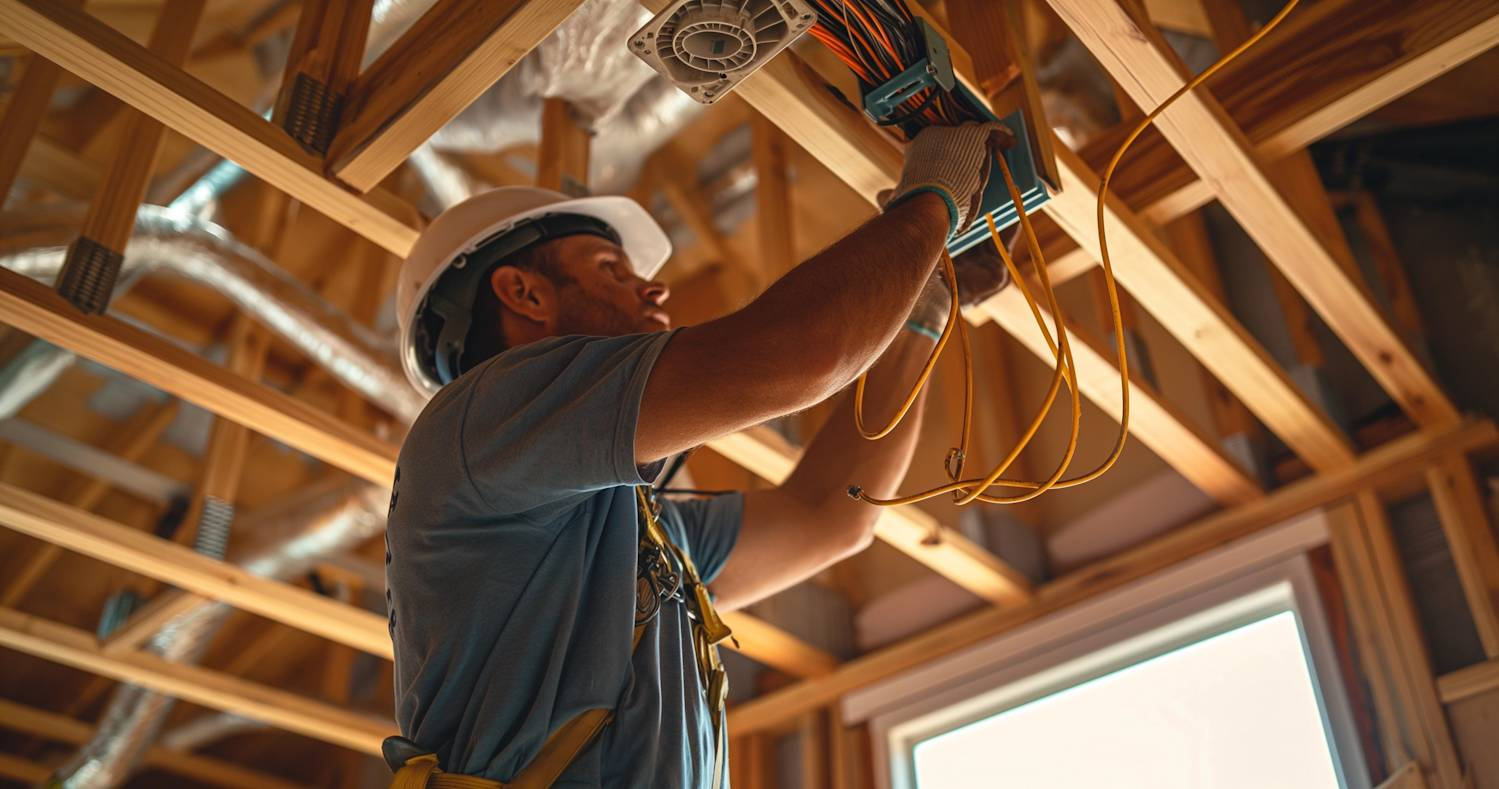
Working as an electrician is one of the most rewarding careers in the skilled trades. Electricians install, maintain, and repair electrical systems in homes, businesses, and industrial facilities. Because electrical systems are essential to modern life, qualified electricians are consistently in high demand.
However, becoming a professional electrician requires dedication, technical training, often from contractorsischool.com, and hands-on experience. Electricians must understand electrical theory, safety practices, and national electrical standards that regulate electrical work across the country.
Once you become a licensed and certified electrician, you can enjoy a stable and long-term career with opportunities for advancement, higher income, and even the possibility of starting your own electrical business.
Understanding the Career Path of an Electrician
There are several stages in the electrician career path. Although requirements vary depending on location, most electricians progress through three main levels of licensing.
Apprentice Electrician
Apprentices receive hands-on training while working under the supervision of experienced electricians. This stage focuses on learning practical skills and understanding electrical systems.
Journeyman Electrician
Journeymen are qualified electricians who can work independently on many types of electrical projects. However, they may still require supervision from a master electrician for complex or large-scale work.
Master Electrician
Master electricians represent the highest level in the trade. They can supervise other electricians, manage large projects, and operate their own electrical contracting businesses.
Understanding Electrical Training Requirements
Before starting your electrician career, it is important to review the licensing requirements in your state or region. Different areas may require varying levels of education, training hours, and examination requirements.
Many locations require aspiring electricians to register as apprentices before beginning formal training. During this time, individuals work under the supervision of experienced electricians while learning the fundamentals of the trade.
Some beginners also start by working as electrician helpers or assistants. This entry-level experience can help build practical knowledge before entering a formal apprenticeship program.
Choosing an Electrician Apprenticeship Program
An apprenticeship is one of the most common paths to becoming a licensed electrician. Apprenticeships combine on-the-job training with classroom instruction.
Most apprenticeship programs require approximately 8,000 hours of supervised work experience, which usually takes about four years to complete. During this time, apprentices learn how to install wiring, troubleshoot electrical issues, read blueprints, and follow electrical safety standards.
Apprentices also attend classes that cover electrical theory, building codes, and safety procedures. This combination of practical training and education helps prepare apprentices for the journeyman licensing exam.
Enrolling in an Electrical Training Course
Another path to becoming an electrician involves enrolling in a technical or vocational training program. Trade schools and community colleges often offer electrical training programs designed to teach the fundamentals of the profession.
These programs may include hands-on practice with electrical circuits, wiring systems, and common electrical equipment. Classroom instruction typically covers electrical theory, safety practices, and code compliance.
When selecting a training program, it is important to ensure that the course includes both theoretical knowledge and practical experience. High-quality programs should also follow national electrical safety standards and be taught by experienced professionals.
Completing a training course can help prepare students for apprenticeships or entry-level electrician positions.
Requirements for a Journeyman Electrician License
To become a journeyman electrician, individuals must complete both training and work experience requirements. While these requirements differ by location, most regions require several key qualifications.
First, candidates typically need at least 8,000 hours of hands-on experience gained through apprenticeships or electrical work. This experience ensures that electricians have the practical skills needed to perform electrical tasks safely.
Second, candidates must complete classroom instruction covering topics such as electrical safety, wiring systems, electrical calculations, and electrical codes.
Finally, applicants must pass a journeyman electrician exam. This exam tests knowledge of electrical theory, installation practices, and electrical safety standards. The exam often includes multiple-choice questions and written sections and may take several hours to complete.
Working as a Journeyman Electrician
After obtaining a journeyman license, electricians can begin working on a wide range of electrical projects. Journeymen often work in residential, commercial, or industrial settings.
Although journeyman electricians can perform many tasks independently, they may still require supervision from a master electrician for certain complex or high-risk projects.
This stage of the career provides valuable experience that can lead to higher-paying positions and specialized opportunities.
Getting Additional Electrical Certifications
Licensed electricians often pursue additional certifications to improve their skills and increase job opportunities. Specialized certifications can help electricians work in advanced areas of the electrical industry.
Some certifications focus on workplace safety, while others cover specialized fields such as renewable energy systems, marine electrical work, or advanced electrical technologies.
Obtaining additional certifications can help electricians stand out to employers, qualify for specialized projects, and increase their earning potential.
Becoming a Master Electrician
The final step in the electrician career path is becoming a master electrician. This level requires several years of experience working as a journeyman electrician.
Applicants must demonstrate extensive knowledge of electrical systems, including residential, commercial, and industrial installations. Candidates must also pass a master electrician examination that evaluates advanced electrical skills, safety practices, and electrical code compliance.
Master electricians can supervise other electricians, lead major projects, and manage electrical businesses.
Starting Your Own Electrical Business
Once you become a master electrician, you may have the opportunity to start your own electrical contracting business. Running a business allows electricians to manage projects, hire employees, and serve residential or commercial clients.
Operating a successful electrical business requires not only technical expertise but also strong business management skills. Contractors must handle client communication, project scheduling, budgeting, and safety compliance.
Proper insurance coverage is also essential for electricians to protect their business, employees, and clients.
Final Thoughts
Becoming a licensed and certified electrician requires commitment, training, and hands-on experience. From apprenticeship training to journeyman licensing and eventually becoming a master electrician, each stage builds the skills needed for a successful career.
Electricians play an essential role in modern infrastructure, and demand for skilled professionals continues to grow. By following the right training path and gaining the necessary experience, you can build a rewarding career in the electrical industry with opportunities for advancement and long-term success.