
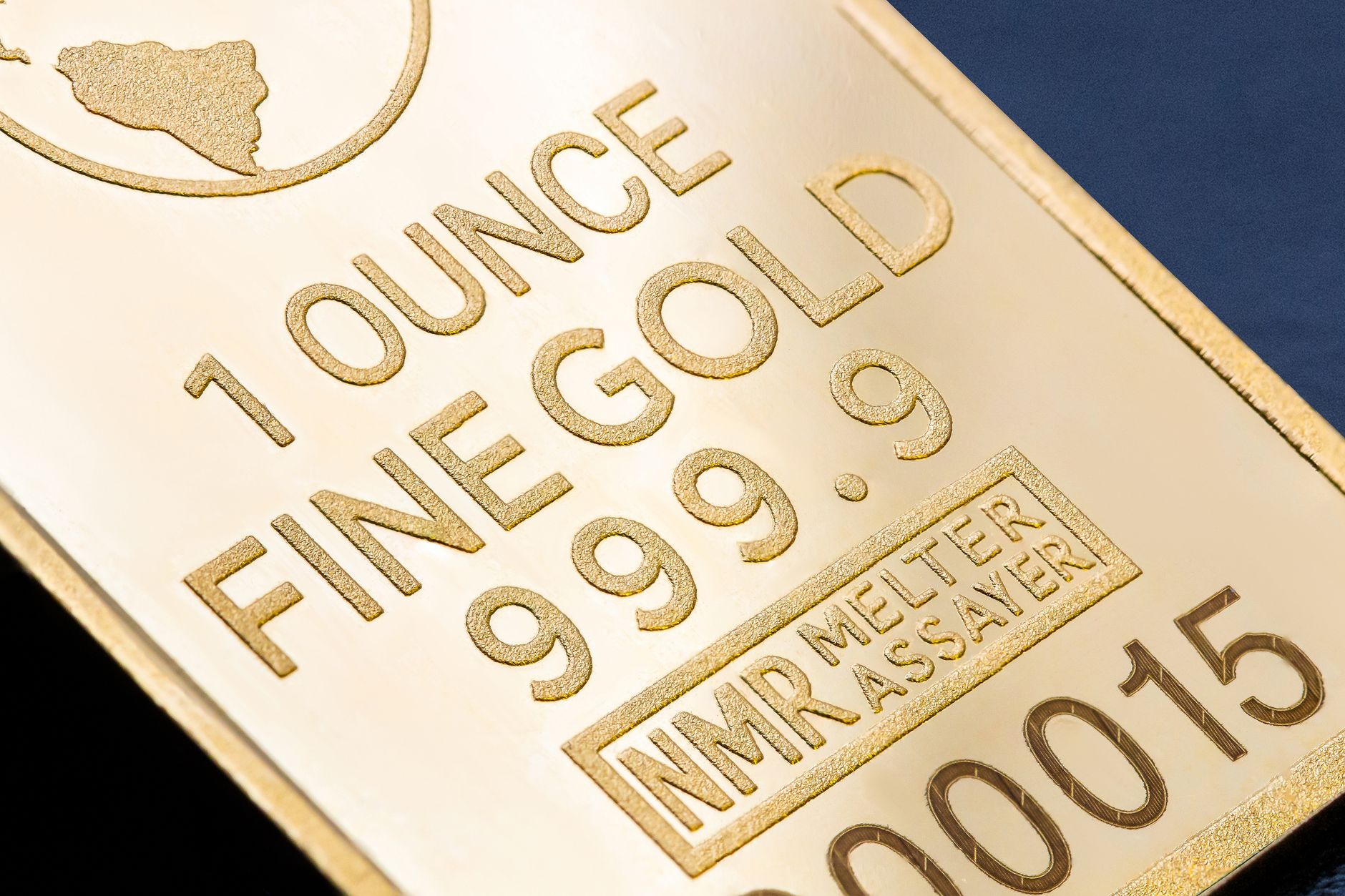
gold price is currently nearing $4,500, driven by recent jobs data and comments from Waller that have eased yield pressure.
What Influences Gold Price Today?
The fluctuations in the gold price are often influenced by a variety of economic factors. Today, several key elements are contributing to the recent uptick in gold prices.
- Job Data: Positive job reports can lead to increased investor confidence, impacting demand for gold as a safe-haven asset. Recent data suggests a robust labor market, which has buoyed gold prices.
- Yield Pressure: As bond yields stabilize or decline, gold becomes more appealing. Investors are drawn to gold when the opportunity cost of holding non-yielding assets decreases.
- Inflation Concerns: Persistent inflation worries can drive investors toward gold, which is traditionally viewed as a hedge against rising prices.
- Central Bank Policies: The decisions made by central banks regarding interest rates and monetary policy can significantly impact gold prices. Any indication of easing can enhance gold’s attractiveness.
With these factors at play, the gold price has shown a quick rise, nearing significant milestones as market dynamics shift.
Current Trends in Gold Price
The current trends in gold price indicate a significant increase as recent job data and comments from Federal Reserve officials have eased yield pressure. Investors are closely monitoring these developments, which have contributed to a surge in gold demand. As a safe-haven asset, gold often attracts buyers during times of economic uncertainty, making its price more sensitive to fluctuations in the financial landscape.
Recently, analysts have noted that:
- Gold prices have approached record highs, nearing $4,500 per ounce.
- The positive job data reported has alleviated fears of an immediate rate hike, providing a boost to gold as an investment.
- Market sentiment remains cautious, with many looking to gold as a hedge against inflation and economic instability.
Overall, the gold market appears to be responding favorably to the combination of easing yield pressures and robust job statistics. As these trends continue, many investors are eager to see how the gold price will react in the coming weeks.
Impact of Jobs Data on Gold Price
The recent jobs data has had a significant impact on the gold price, contributing to a swift rise in its value. Analysts note that the stronger-than-expected employment figures have shifted investor sentiment, leading to increased demand for gold as a safe-haven asset.
Market experts point out that the correlation between job data and gold price is often pronounced. When employment numbers are robust, it typically raises concerns about inflation, prompting investors to flock to gold to hedge against potential economic instability.
Furthermore, comments from Federal Reserve officials, particularly from Waller, regarding interest rates have eased pressure on yields, which has also played a role in boosting gold prices. This combination of favorable job data and lower yields has created an environment where gold is seen as an attractive investment.
As investors digest the implications of the latest job figures, many are closely watching how these trends will influence the gold price in the coming weeks. Market analysts suggest that continued fluctuations in economic indicators will further dictate gold’s trajectory.
Waller’s Role in Gold Price Movement
The recent surge in gold price can be attributed in part to the influential remarks made by Federal Reserve Governor Christopher Waller. His comments regarding the potential for slower interest rate hikes have eased concerns surrounding yield pressures, which typically negatively impact gold.
Market analysts believe that Waller’s statements have contributed to a renewed interest in gold as a safe-haven asset. As yields on government bonds stabilize, investors are increasingly turning to gold, driving prices higher. Key points include:
- Interest Rates: Waller’s suggestion of a cautious approach to rate increases has prompted market optimism.
- Investor Sentiment: With lower yields, investors are seeking alternative assets, boosting demand for gold.
- Market Reactions: The gold price has seen a notable increase, nearing $4,500, reflecting strong market confidence.
In the current economic climate, Waller’s influence on monetary policy is pivotal, as it shapes both investor perception and the overall trajectory of gold price. As uncertainty prevails, gold continues to shine as a preferred investment choice.
Future Predictions for Gold Price
As analysts evaluate the current market dynamics, future predictions for gold price trends are becoming increasingly optimistic. Several factors are contributing to this positive outlook.
Firstly, the recent jobs data has sparked speculation about potential economic slowdowns, which typically drive investors toward safe-haven assets like gold. This shift in sentiment may lead to sustained demand for gold, further pushing the price upwards.
Additionally, the ongoing pressures from yield rates are influencing market behavior. With yields remaining low, the opportunity cost of holding gold diminishes, making it a more attractive investment option. As a result, many analysts anticipate that the gold price could reach new heights in the coming months.
- Increased inflation concerns could further bolster gold’s appeal.
- Geopolitical tensions may also play a role in driving prices higher.
- Institutional investment in gold is expected to rise as economic uncertainties persist.
Overall, the outlook for the gold price remains bullish, with many expecting it to approach record levels in the near future.
How to Invest in Gold Price
Investing in the gold price can be a strategic decision for both novice and experienced investors. As economic conditions fluctuate, gold often serves as a safe haven asset. Here are some effective ways to invest in gold:
- Physical Gold: Purchasing gold bullion or coins allows investors to own the tangible asset. This approach can provide peace of mind, especially during economic uncertainty.
- Gold ETFs: Exchange-traded funds that track the price of gold can be an easy way to gain exposure without the need for physical storage. They offer liquidity and can be traded like stocks.
- Gold Mining Stocks: Investing in companies that mine gold can be an indirect way to capitalize on rising gold prices. These stocks may also provide dividends.
- Gold Futures: For more experienced investors, gold futures contracts can be a way to speculate on future price movements. However, they carry higher risks.
Before diving into the gold market, it’s essential to conduct thorough research and understand the various investment vehicles available.
Photo by Michael Steinberg on Pexels