
Maintaining a beautiful home requires more than occasional tidying. A clean, organized environment supports everyday comfort, improves the appearance of living spaces, and helps reduce the buildup of dust and dirt. Modern house cleaning strategies focus on consistency, efficient routines, practical tools, and thoughtful organization. Instead of spending an entire day managing household chores, homeowners can adopt simple methods that make cleanliness easier to maintain throughout the week. With a structured approach, even busy households can enjoy a welcoming and well-maintained living environment.
Understanding the Importance of a Consistent Cleaning Routine
A regular cleaning schedule helps prevent everyday messes from becoming time-consuming projects. Kitchen counters, bathroom surfaces, floors, and frequently touched objects benefit from routine attention. When these areas are maintained consistently, dirt and grime have less opportunity to accumulate.
Research into household behavior and time management frequently emphasizes the value of establishing repeatable routines. Although cleaning requirements vary according to household size, occupancy, pets, and lifestyle, dividing chores into manageable tasks can make the process more practical. A few minutes spent wiping surfaces or putting items away each day may reduce the need for extensive cleaning sessions later.
A useful starting point is to assign specific responsibilities to different days. For example, kitchens can receive additional attention early in the week, bathrooms can be cleaned midweek, and floors can be refreshed before the weekend. This approach creates structure without overwhelming the household.
Modern Cleaning Strategies That Save Time
Efficiency is one of the most valuable features of a modern household maintenance plan. Rather than cleaning randomly, homeowners can follow methods that reduce unnecessary movement and repeated work.
1. Clean from Top to Bottom
Dust and loose particles often fall onto lower surfaces during cleaning. Beginning with ceiling fans, shelves, and other elevated areas allows debris to be collected when floors and lower surfaces are addressed later. This simple sequence minimizes repeated effort and improves the overall result.
2. Work from Cleaner Areas to Dirtier Areas
Cleaning less contaminated surfaces before heavily soiled areas helps limit the transfer of dirt. In kitchens and bathrooms, use appropriate cleaning materials for different surfaces and avoid using the same cloth across multiple areas without washing or replacing it.
3. Use the Room-by-Room Method
Completing one room at a time makes progress easier to track. Gather the necessary supplies before starting, remove unnecessary clutter, clean the surfaces, and finish with the floor. This organized method can prevent unfinished tasks from spreading throughout the home.
4. Introduce Short Daily Resets
A 10- to 15-minute daily reset can help maintain order. Activities may include returning items to their designated places, wiping kitchen counters, arranging cushions, and clearing frequently used tables. The exact duration depends on the household, but the objective remains the same: prevent small messes from becoming larger responsibilities.
Statistics-Informed Insights for Better Household Maintenance
Cleaning schedules work best when they reflect actual household needs rather than arbitrary rules. Several practical indicators can help homeowners evaluate whether their routines are effective.
Time spent on chores: Track cleaning time for one week to identify tasks that consume the most effort. Reorganizing supplies or simplifying repeated activities may help reduce unnecessary work.
Frequency of recurring messes: If a kitchen counter becomes cluttered several times a day, a designated storage area may be more effective than repeatedly clearing the same items.
High-touch surfaces: Door handles, light switches, remote controls, and frequently used appliance handles deserve regular attention, particularly when household members are ill. Follow appropriate product instructions and hygiene guidance.
Dust accumulation: Observe how quickly dust returns to shelves and furniture. Household traffic, open windows, fabric furnishings, and pets can influence the frequency of dusting required.
These indicators provide a practical way to assess progress without relying on unsupported claims or universal cleaning statistics. A routine should be adjusted according to measurable household patterns and changing needs.
Choosing the Right Tools and Cleaning Products
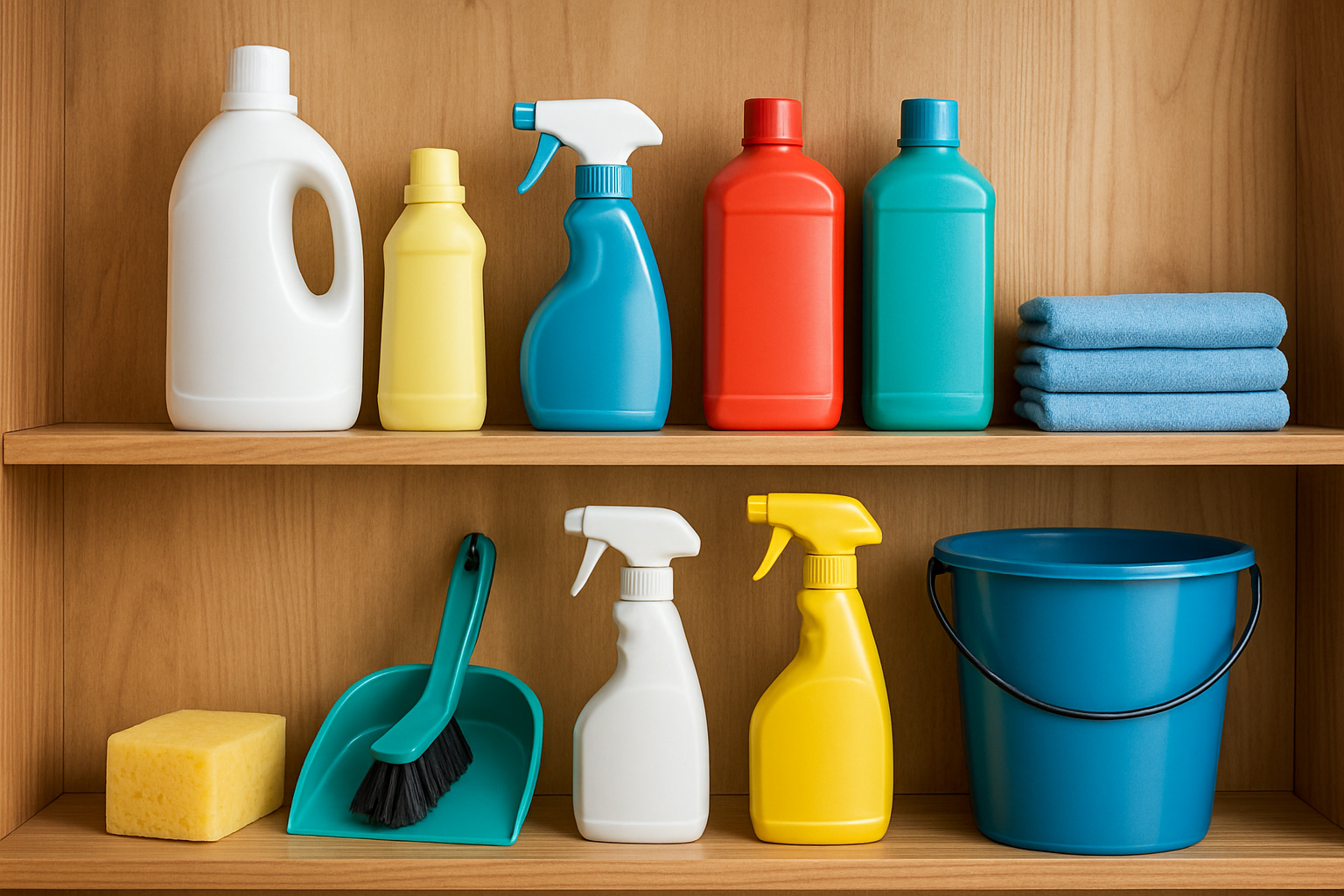
Modern cleaning equipment can make household maintenance more convenient. Microfiber cloths are useful for collecting dust and wiping many common surfaces. Vacuum cleaners help remove loose debris from carpets, upholstery, and floors, while suitable mops support the maintenance of hard flooring.
Product selection should always reflect the material being cleaned. Wood, glass, stainless steel, natural stone, and delicate finishes may require different cleaning methods. Reading manufacturer instructions helps prevent discoloration, scratches, or surface damage.
Safety is equally important. Never mix cleaning chemicals, particularly bleach with ammonia or acidic products. Maintain adequate ventilation, store supplies away from children and pets, and follow label directions for dilution, contact time, and protective equipment.
Creating a Healthier and More Comfortable Living Space
A well-maintained home contributes to comfort by reducing visible clutter and managing common sources of household dust. Regularly washing bedding, cleaning upholstery according to care instructions, and maintaining ventilation can support a fresher indoor environment.
Moisture management deserves particular attention. Bathrooms, kitchens, laundry areas, and other damp spaces should be ventilated appropriately. Repairing leaks and drying wet surfaces promptly can help discourage mold growth. Persistent dampness or extensive mold may require professional assessment rather than routine surface cleaning alone.
Organization also plays an important role. Storage baskets, labeled containers, drawer dividers, and clearly designated spaces make it easier to return belongings after use. When frequently used items are accessible, household members are more likely to maintain order naturally.
Frequently Asked Questions
How often should a home be cleaned?
The ideal frequency depends on occupancy, household activities, pets, allergies, and personal preferences. Kitchens and bathrooms generally need frequent attention, while tasks such as washing curtains or cleaning less-used storage areas can follow a less frequent schedule.
What is the most efficient way to maintain a clean home?
Combine short daily tasks with scheduled weekly cleaning. Decluttering first, working from top to bottom, and keeping supplies accessible can make routine maintenance more efficient.
Are natural cleaning products always safer?
Not necessarily. Safety depends on the ingredients, concentration, surface, and intended use. Natural substances can still irritate skin or damage materials. Choose suitable products, follow instructions, and never assume that mixing household ingredients is safe.
When should professional cleaning be considered?
Professional assistance may be useful when time is limited, a property requires detailed cleaning, or certain tasks involve difficult-to-reach areas and specialized equipment. Homeowners should communicate their priorities and confirm which services are included before scheduling.
Conclusion
Modern home maintenance is most effective when it combines consistent habits, appropriate tools, sensible organization, and attention to safety. By using room-by-room routines, tracking recurring cleaning needs, and addressing small messes promptly, homeowners can maintain a more attractive and comfortable living environment. The goal is not to keep every surface perfect at all times, but to establish practical habits that make a beautiful home easier to enjoy every day.
Quick Summary
- A clean, organized environment supports everyday comfort and reduces dust buildup.
- Modern cleaning strategies emphasize consistency, efficient routines, and practical tools.
- Cleaning from top to bottom minimizes repeated effort and improves overall results.
- Short daily resets of 10 to 15 minutes can help maintain order and prevent mess accumulation.
- Household cleaning schedules should reflect actual needs and measurable patterns rather than arbitrary rules.
- Microfiber cloths and appropriate cleaning tools are essential for effective household maintenance.