
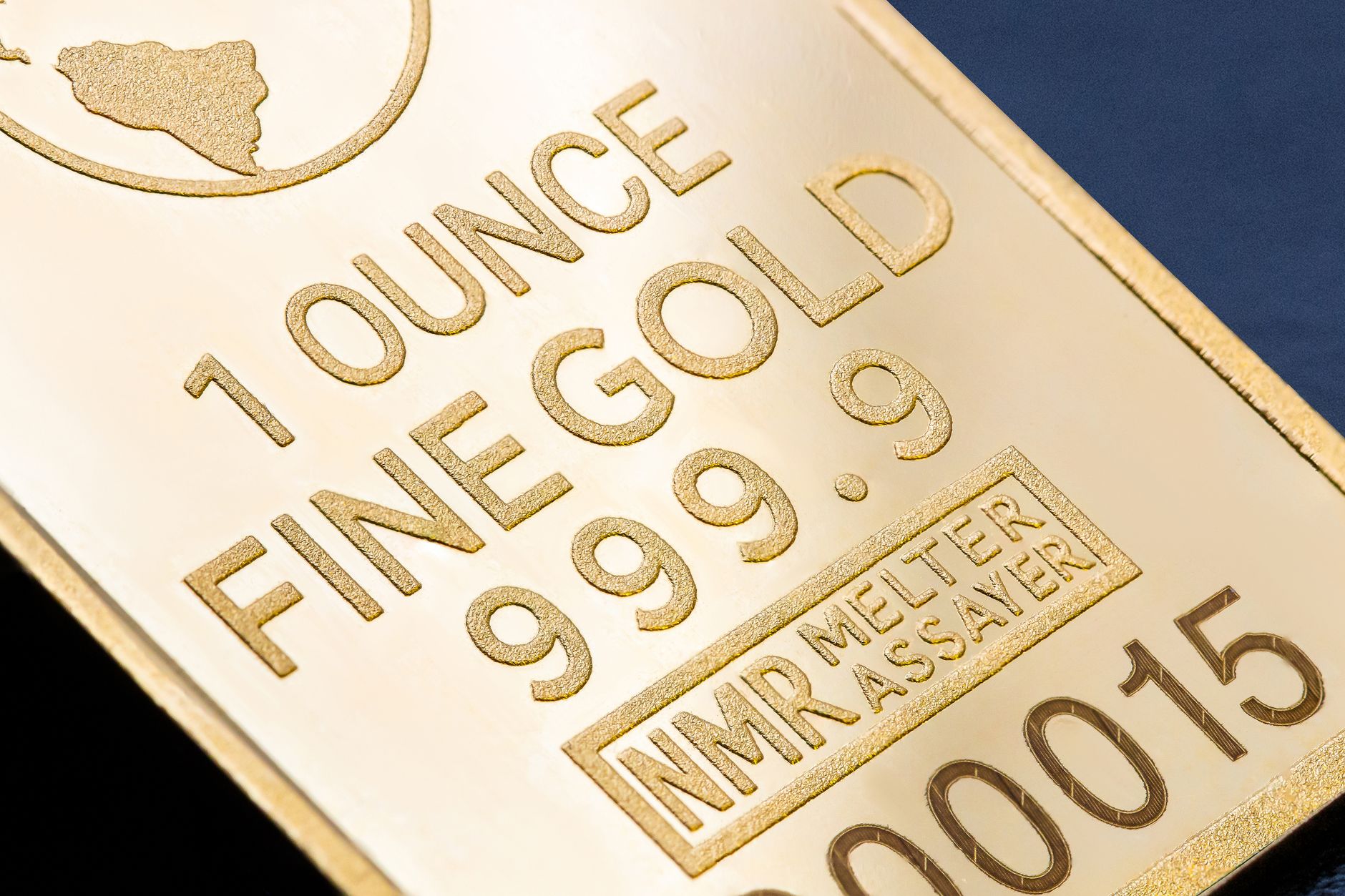
gold price is nearing $4,500, driven by recent jobs data and easing yield pressure from Waller.
Understanding Gold Price Movements
The fluctuations in the gold price can significantly impact investment decisions for both seasoned investors and newcomers. Understanding the factors that contribute to these movements is essential for making informed choices.
Recent reports indicate that the gold price is nearing $4,500, influenced by various economic indicators. Key factors affecting gold prices include:
- Economic Data: Employment figures and other economic reports can sway investor confidence and lead to changes in gold prices.
- Interest Rates: Central bank policies and discussions, like those from Federal Reserve officials, can affect yield pressure and, consequently, the attractiveness of gold as an investment.
- Global Events: Geopolitical tensions and market instability often drive investors towards gold as a safe-haven asset.
As the market evolves, keeping an eye on these elements will help investors navigate the complexities of the gold price landscape in 2023. With the right insights, it is possible to make strategic investment decisions that capitalize on these movements.
Factors Influencing Gold Price
The gold price is influenced by a variety of factors that can lead to significant fluctuations in the market. Understanding these elements is crucial for investors looking to make informed decisions in 2023.
Some of the key factors affecting the gold price include:
- Interest Rates: When interest rates rise, gold prices often decline, as higher yields on bonds make holding non-yielding assets like gold less attractive.
- Inflation: A rise in inflation typically drives investors toward gold as a hedge, pushing prices upward.
- Geopolitical Tensions: Uncertainty from conflicts or political instability can lead to increased demand for gold as a safe haven.
- Currency Strength: The strength of the US dollar inversely affects gold prices; a weaker dollar makes gold cheaper for foreign buyers.
- Supply and Demand: Changes in mining production or demand for gold in industries like jewelry and technology can also impact prices.
As such, keeping an eye on these factors can help investors navigate the complexities of the gold market effectively.
Gold Price Predictions for 2023
As we move further into 2023, analysts are closely monitoring gold price predictions amid fluctuating economic conditions. The recent surge in gold prices, nearing $4,500, has been influenced by various factors, including employment data and shifts in yield pressure. Market experts suggest that the gold price could continue its upward trajectory if economic instability persists.
Several key predictions for the remainder of the year include:
- Increased Demand: With ongoing geopolitical tensions and inflation concerns, demand for gold as a safe-haven asset is expected to rise.
- Central Bank Purchases: Many central banks are likely to increase their gold reserves, further driving up the gold price.
- Interest Rates: If interest rates remain low, gold may become more attractive to investors, supporting higher prices.
Ultimately, while the gold price may face short-term volatility, the long-term outlook remains positive as investors seek stability in uncertain times.
Investment Strategies for Gold Price
As investors look to capitalize on the rising gold price, adopting effective investment strategies becomes essential. Here are some key approaches to consider:
- Diversification: Incorporating gold into a diversified portfolio can help mitigate risks associated with market volatility. Gold often performs well when other assets falter.
- Physical Gold: Investing in gold coins or bars provides tangible ownership. This can be appealing during economic uncertainty, as physical assets retain inherent value.
- Gold ETFs: Exchange-traded funds offer a convenient way to invest in gold without the need for physical storage. They provide exposure to gold price movements while allowing for easy tradeability.
- Mining Stocks: Investing in companies that mine gold can yield higher returns when gold prices rise, though they come with additional risks linked to the operational aspects of mining.
Each strategy presents unique advantages and risks, so it’s crucial for investors to assess their financial goals and market conditions before making decisions. By staying informed and adapting to gold price trends, investors can position themselves for potential gains.
How Jobs Data Affects Gold Price
The relationship between jobs data and the gold price is a critical aspect of the financial landscape. When new employment figures are released, they often influence investor sentiment and market dynamics.
Strong jobs data typically indicates a robust economy, which may lead to increased interest rates as the Federal Reserve seeks to curb inflation. Higher interest rates usually strengthen the U.S. dollar, making gold less attractive as an investment. Conversely, weak jobs data can lower expectations for interest rate hikes, potentially increasing the appeal of gold as a safe haven asset.
In recent reports, the gold price has surged, nearing $4,500, as positive jobs data combined with comments from Federal Reserve officials, including Waller, eased yield pressure. This suggests that investors are becoming more confident in gold’s potential as a hedge against economic uncertainties.
Understanding how jobs data impacts the gold price is essential for investors looking to make informed decisions in 2023. Monitoring these economic indicators can provide valuable insights into when to buy or sell gold, enhancing overall investment strategies.
Waller’s Impact on Gold Price Trends
The recent comments made by Federal Reserve official Christopher Waller have significantly influenced gold price trends. As the market reacts to new economic data, Waller’s insights into interest rates and monetary policy are pivotal in shaping investor sentiment.
In his latest remarks, Waller suggested a cautious approach to interest rate hikes, indicating that the Federal Reserve may consider easing its stance in response to evolving economic conditions. This statement has provided some relief to the gold market, which has been under pressure from rising yields.
As a result, gold price has shown a notable increase, approaching the $4,500 mark. This surge can be attributed to several factors:
- Investor Sentiment: Waller’s comments have instilled confidence among investors, prompting a shift towards safer assets like gold.
- Economic Data: Recent jobs reports have also played a role in easing yield pressures, further bolstering gold’s appeal.
- Market Volatility: With ongoing uncertainties in global markets, gold remains a favored choice for hedging against potential downturns.
Overall, Waller’s impact on gold price trends highlights the interconnectedness of economic indicators and investment strategies.
Photo by Michael Steinberg on Pexels