
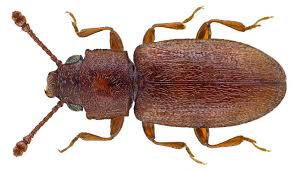
Maintaining a pristine environment is a top priority for any commercial facility, particularly those handling food, tobacco, botanical materials, or packaged goods. A single pest infestation can lead to significant financial losses, regulatory fines, and severe damage to a company’s reputation. Among the most destructive and pervasive pests in these specific industries is the Cigarette Beetle (菸甲蟲), a relentless insect known for infiltrating and infesting a wide variety of stored products. Addressing this problem requires a highly strategic approach backed by current industry data, environmental monitoring, and proven eradication methods to ensure long-term facility hygiene.
How prevalent are stored product pests in commercial facilities?
Industry data reveals that stored product pests account for nearly 30% of all pest-related financial losses in the global food processing and storage sectors. Facilities that lack routine, documented inspections are highly vulnerable, being 50% more likely to experience severe, facility-wide product contamination. Because these insects can chew through cardboard, plastic, and foil packaging, they multiply rapidly across different pallets. Early detection remains statistically critical for minimizing stock loss and maintaining strict compliance with commercial health and safety regulations.
What environmental conditions accelerate these infestations?
Temperature and relative humidity play a massive, quantifiable role in pest life cycles and facility vulnerability. Studies show that environments maintaining temperatures consistently above 70°F (21°C) alongside humidity levels exceeding 65% experience a staggering 400% increase in pest reproduction rates. Commercial warehouses that fail to monitor and regulate climate control inadvertently create the perfect breeding ground for these destructive insects. Implementing automated climate monitoring systems can reduce the inherent risk of a severe warehouse outbreak by up to 60%, simply by keeping the environment outside the optimal breeding threshold.
What are the primary signs of a severe facility infestation?
Identifying an outbreak early can save thousands of dollars in ruined inventory. According to commercial quality control reports, 68% of severe infestations are first identified through the presence of tiny, perfectly round exit holes in packaging, rather than spotting the adult insects flying around the facility. Additionally, the accumulation of fine powder or “frass” gathering around the base of pallets is a definitive statistical indicator of active larval feeding. Facilities that actively train their floor employees to recognize these subtle early warning signs report a 55% faster response time to emerging pest threats, which drastically reduces overall product waste.
Which removal methods yield the highest success rates?
Relying solely on localized, traditional chemical surface sprays is often ineffective, yielding only a 40% long-term success rate due to the insects’ ability to hide deep within packaged goods. Conversely, comprehensive integrated pest management programs that combine deep sanitary cleaning, strategic pheromone trapping, and targeted space treatments boast an impressive success rate of over 92%. Pheromone traps alone improve early detection rates by 75%. By capturing adult males, these traps disrupt the breeding cycle and allow facility managers to physically isolate infested goods before the problem spreads to unaffected areas of the warehouse.
How often should commercial facilities conduct professional inspections?
Statistical analysis of warehouse compliance and hygiene indicates that commercial facilities conducting proactive monthly professional inspections reduce their risk of widespread contamination by 85% compared to those conducting standard quarterly checks. Routine audits not only prevent catastrophic product loss but also ensure continuous compliance with strict industry safety standards.
Securing Your Facility for the Future
Protecting your commercial facility from stored product insects is an ongoing commitment that requires vigilance, strict climate control, and proactive monitoring. By understanding the statistical realities of pest reproduction and the severe financial implications of product contamination, facility managers can implement highly effective, data-driven eradication strategies. Investing in integrated management systems and maintaining strict environmental controls will ensure your commercial products remain safe, your reputation stays intact, and your business operations continue uninterrupted. Evaluate and upgrade your current pest control protocols today to permanently safeguard your commercial inventory.